
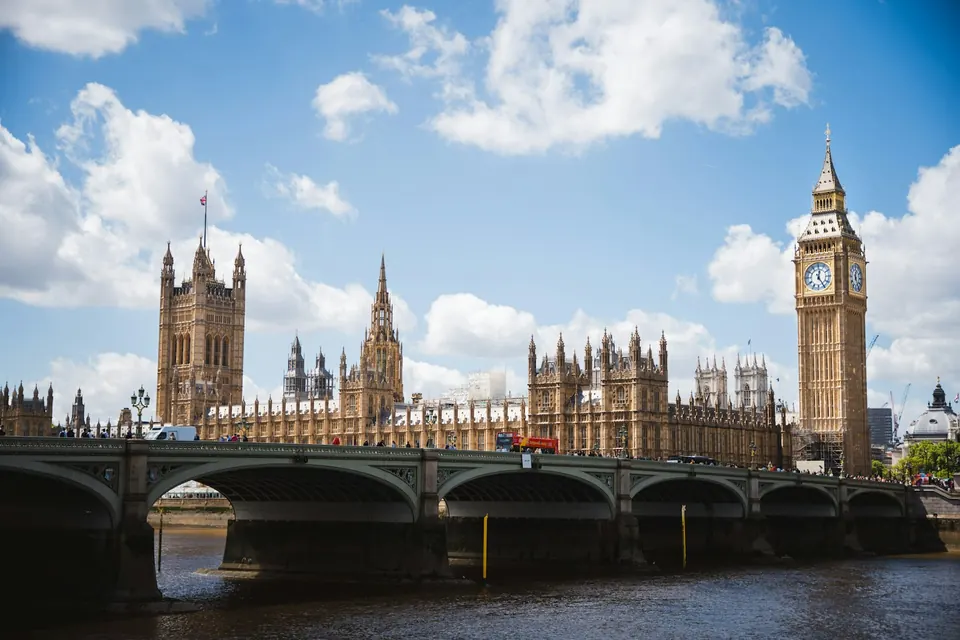
The districts covered.
West London work is taken across the following areas. If a postcode is not listed, it can still be discussed; the list is a guide to the usual ground rather than a border.
Hounslow borough: Hounslow, Heston, Cranford, Feltham, Bedfont, Hanworth, Chiswick, Brentford, Isleworth and Osterley.
Ealing borough: Ealing, West Ealing, Hanwell, Acton, Northolt, Greenford, Perivale and Southall.
Hillingdon borough: Uxbridge, Hayes, West Drayton, Ruislip and Harefield.
Hammersmith and Fulham, and Kensington and Chelsea: Hammersmith, Shepherd's Bush, White City, Fulham, Notting Hill, Kensington and Chelsea.
Richmond upon Thames: Richmond, Twickenham, Teddington, Hampton and Barnes.
Travel time is part of the conversation. A morning slot in Richmond and an afternoon slot in Hayes are not interchangeable, and saying which one you need helps.
The paperwork west London actually produces.
Translation enquiries from this side of London follow the local institutions. Council housing and benefits correspondence, school admission letters, GP and hospital records, employer contracts around Heathrow, university and college documents, tenancy paperwork and solicitors' letters all arrive.
Many of those documents are Albanian into English because a west London office needs to read them. Some run the other way, where an Albanian-speaking client needs an English letter in Albanian to understand it.
Say which direction is needed and who will read the result. A borough department and a family member are different readers with different needs.
Where the office has a certification requirement, send its wording. The Albanian translator London page explains how to establish that before work begins.
Reaching a west London venue.
Venue instructions save time on the day. Send the full address, the entrance, the floor, the room and the name of the person meeting the interpreter. If there is a reception or a security desk, say what the process is.
Parking in west London is rarely simple. The congestion charge zone reaches Hammersmith and Notting Hill, several high streets sit inside controlled parking zones, and some venues have no visitor bays at all. If parking is possible, say where. If it is not, say that too, and note the nearest station or bus route.
Allow for the walk from the station. A venue described as five minutes from the Tube can take fifteen with a closed footpath or a wrong turn. Build the arrival time around the actual route.
Access matters as well. Step-free entrances, lifts and hearing loops are worth mentioning where they exist. If the room is small, hot or noisy, that affects how the conversation will run.
Making the day work.
Distinguish the arrival time from the start time. An interpreter may need ten minutes to sign in, be shown to the room and read any papers. The appointment itself should begin when everyone is seated and ready.
Say who will chair the meeting and how turn-taking will work. If several people will speak, name them and their roles in the enquiry. In a busy office, a short introduction at the start settles who is who.
If documents will be discussed, identify them in advance. Where a written version is needed, that is a separate translation job and should be raised before the appointment rather than during it.
If the meeting is likely to overrun, or may be moved to another room, mention it. Waiting time and a changed plan are handled more easily when they are expected.
Send the venue and the shape of the day.
A short message is enough: the date, the address or postcode, the expected duration and the subject. Add the language direction and any requirement the organisation has set.
For work outside west London, the UK interpreter page and UK translator page cover remote and national arrangements. For a written document rather than an appointment, start with translation in London.
The booking guide lists everything worth gathering before you write.
Ask about a west London booking